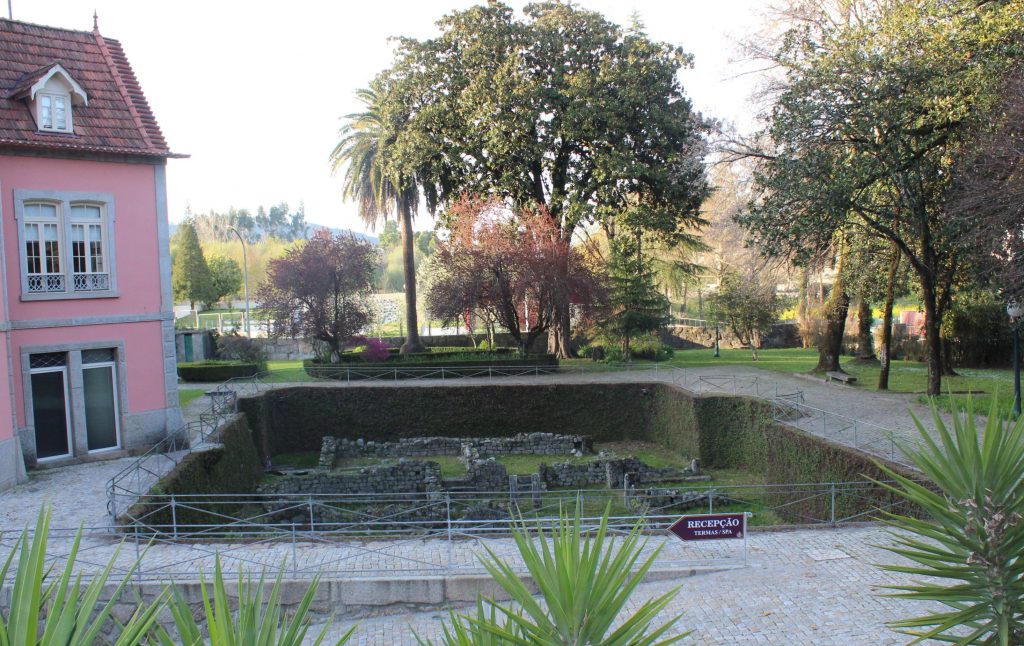
O Furum optime balneariorum
Vibenni pater et cinaede fili,
nam dextra pater inquinatiore,
culo filius est voraciore,
cur non exilium malasque in oras
itis? quandoquidem patris rapinae
notae sunt populo, et natis pilosas,
fili, non potes asse venditare.
Oh, Vibenius, the best of the bathhouse thieves, the father, and your son the pimp, for if the father has the dirtiest right hand, the son has the most voracious ass, why don’t you go into exile, to some damned shores? While the father’s thefts are known to everyone, you, son, can’t go around selling your hairy buttocks for a pittance.
Oh, Vibenio, el mejor de los ladrones de baños, el padre, y el chapero de tu hijo, pues si el padre tiene la derecha
más sucia, el hijo tiene el culo más voraz, ¿por qué no os
vais al destierro, a unas malditas riberas? Mientras que los robos del padre son conocidos por todo quisqui, tú, hijo, no puedes andar vendiendo tus nalgas peludas por un as.
Commentary
El poeta Catulo critica a un tal Vibenio por dedicarse a robar en los baños públicos y a su hijo por ofrecer servicios sexuales.