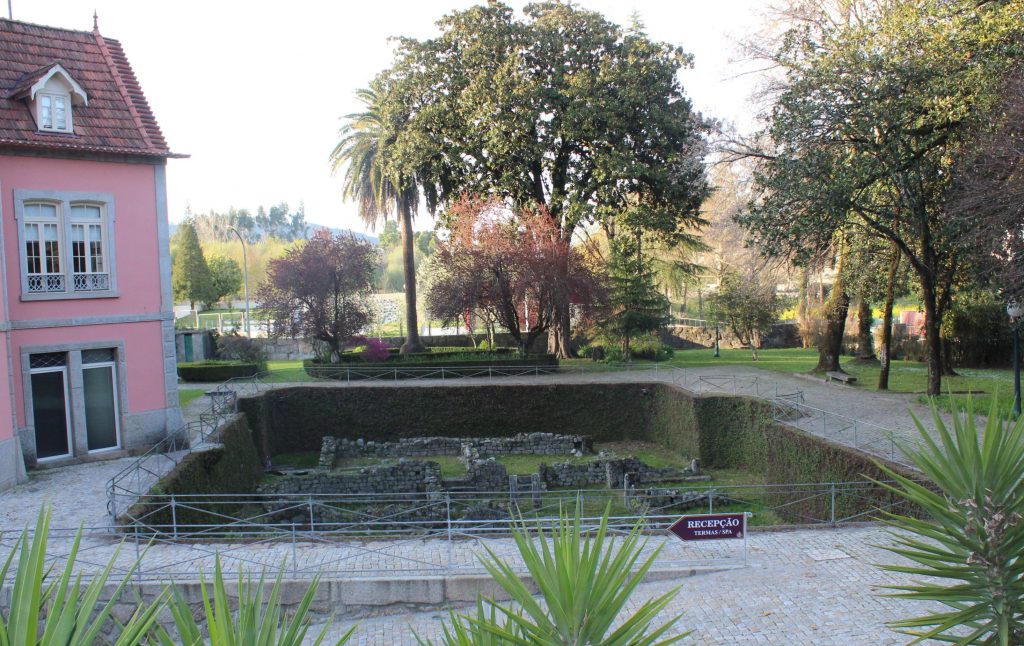
Cocytum et Stygio ranas in gurgite nigras, atque una transire uadum tot milia cumba nec pueri credunt, nisi qui nondum aere lauantur.
That there are some spirits, the underground kingdoms, the pole vault and the black frogs of the Styx pool, and that so many thousands cross the lagoon in a single boat, is only believed by children who do not yet pay in the baths.
Que haya algunos manes, los reinos subterráneos, la pértiga y las ranas negras de la charca Estigia, y que tantos miles atraviesen la laguna en una sola barca, sólo lo creen los niños que aún no pagan en los baños.
Commentary
En una reflexión sobre la poca creencia en los mitos de la sociedad romana de su tiempo, Juvenal indica que los niños pequeños no pagaban en los baños.